Services

What we install, and what we stand behind.

Power, the electrical infrastructure it runs on, and the systems that depend on both. Any of these can be taken on its own or as part of a single scope.

01

Solar hybrid power systems

Solar, battery, grid and generator — switching between them automatically.

A hybrid system combines PV generation, battery storage and an inverter that can draw from the array, the battery, public supply or a generator and move between them without interrupting what is running. The array carries the daytime load; the battery carries the evening and rides through outages.

We install off-grid, hybrid and grid-interactive configurations. Which one suits you depends on how reliable your supply is, what you are trying to eliminate, and whether the priority is cost per month or independence from the grid.

  • Single-inverter systems from 2.5 kVA, and paralleled units for larger buildings
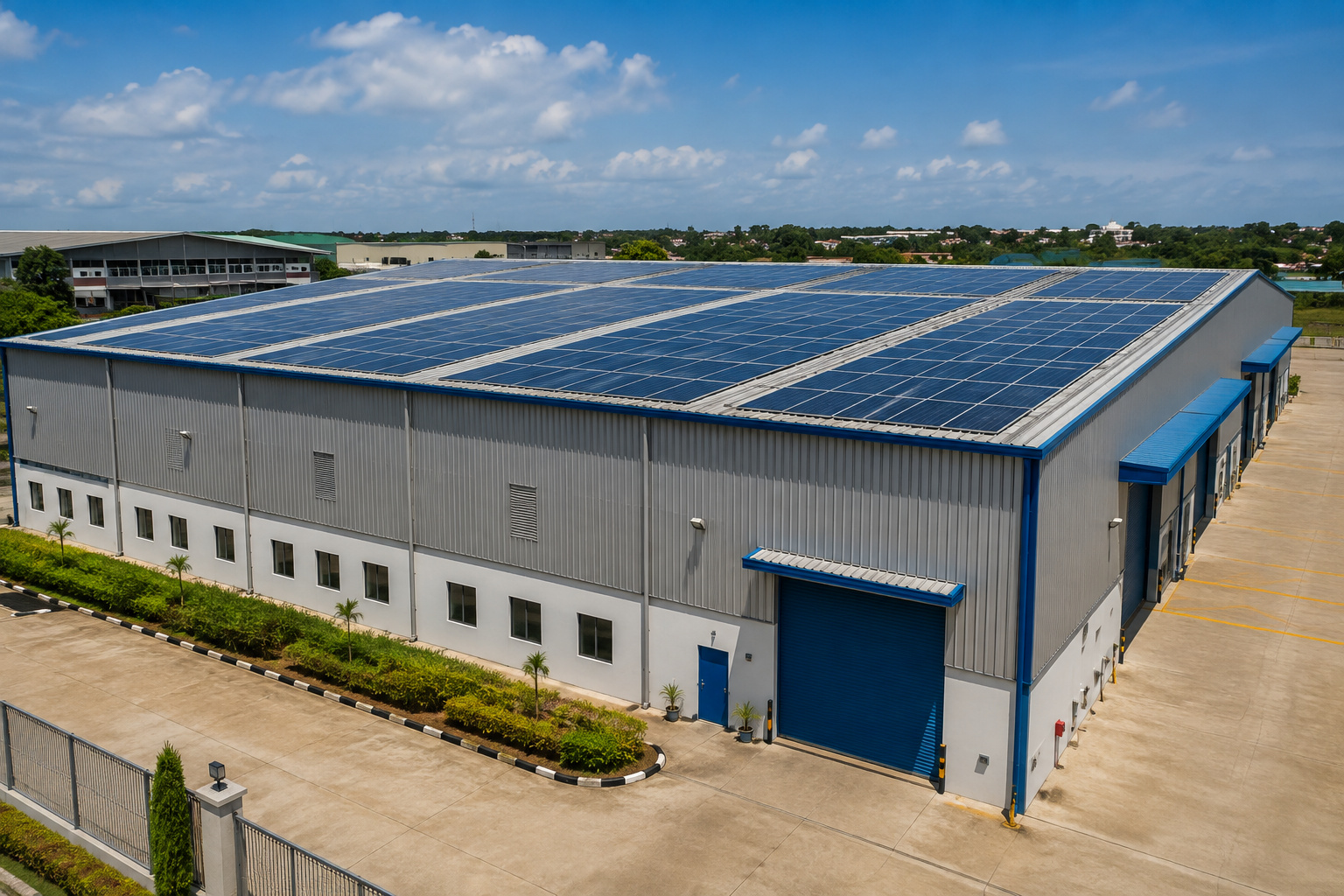
  • Roof, ground-mount, car park canopy and façade array deployment
  • Automatic changeover between solar, battery, public supply and generator
  • Generator integration, so the set starts only when it is genuinely needed
  • Remote monitoring where the equipment supports it
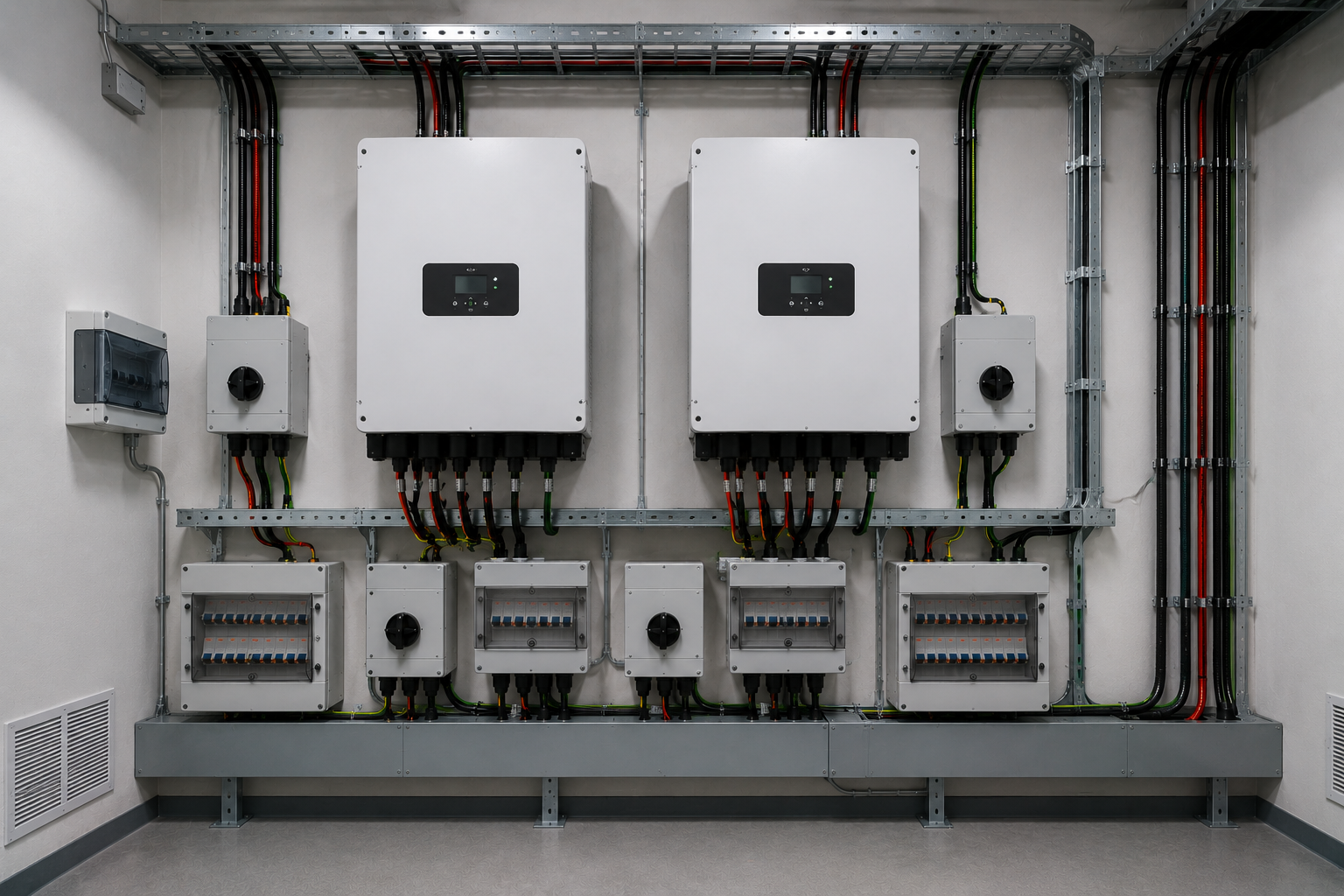
Two hybrid inverters mounted on a board with PV isolators and metering
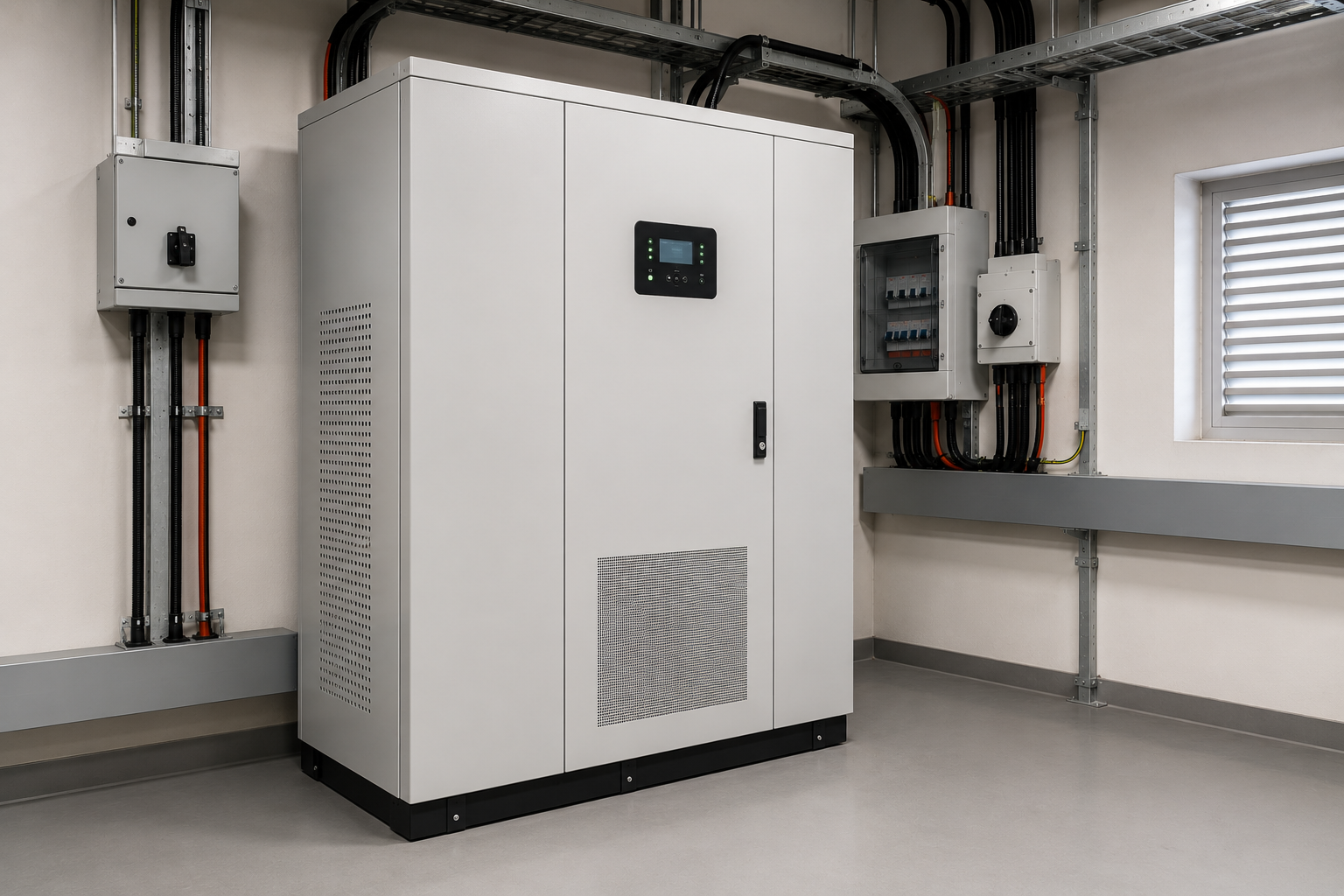
Floor-standing lithium storage unit installed by Prenniex
02

Battery energy storage

Sized against the evening, not the midday peak.

Storage is where most systems are under-specified. An installation that is correct at noon and short at seven in the evening is one you stop trusting, and then the generator comes back on. We size storage against the hours you actually need covered.

We install lithium (LiFePO₄) and tubular banks, wall-mounted and floor-standing, and we retrofit lithium onto existing inverters where the inverter is sound and only the bank has reached end of life. That is often the cheapest useful upgrade available to a household.

  • Lithium and tubular banks, with racking, enclosures and ventilation
  • Retrofits onto existing inverters — you keep the equipment that still works
  • Battery protection, isolation and correct DC cable sizing
  • Charge strategy set against your own outage pattern, not a default
03

Electrical installation and distribution

The part that decides whether the rest of it lasts.

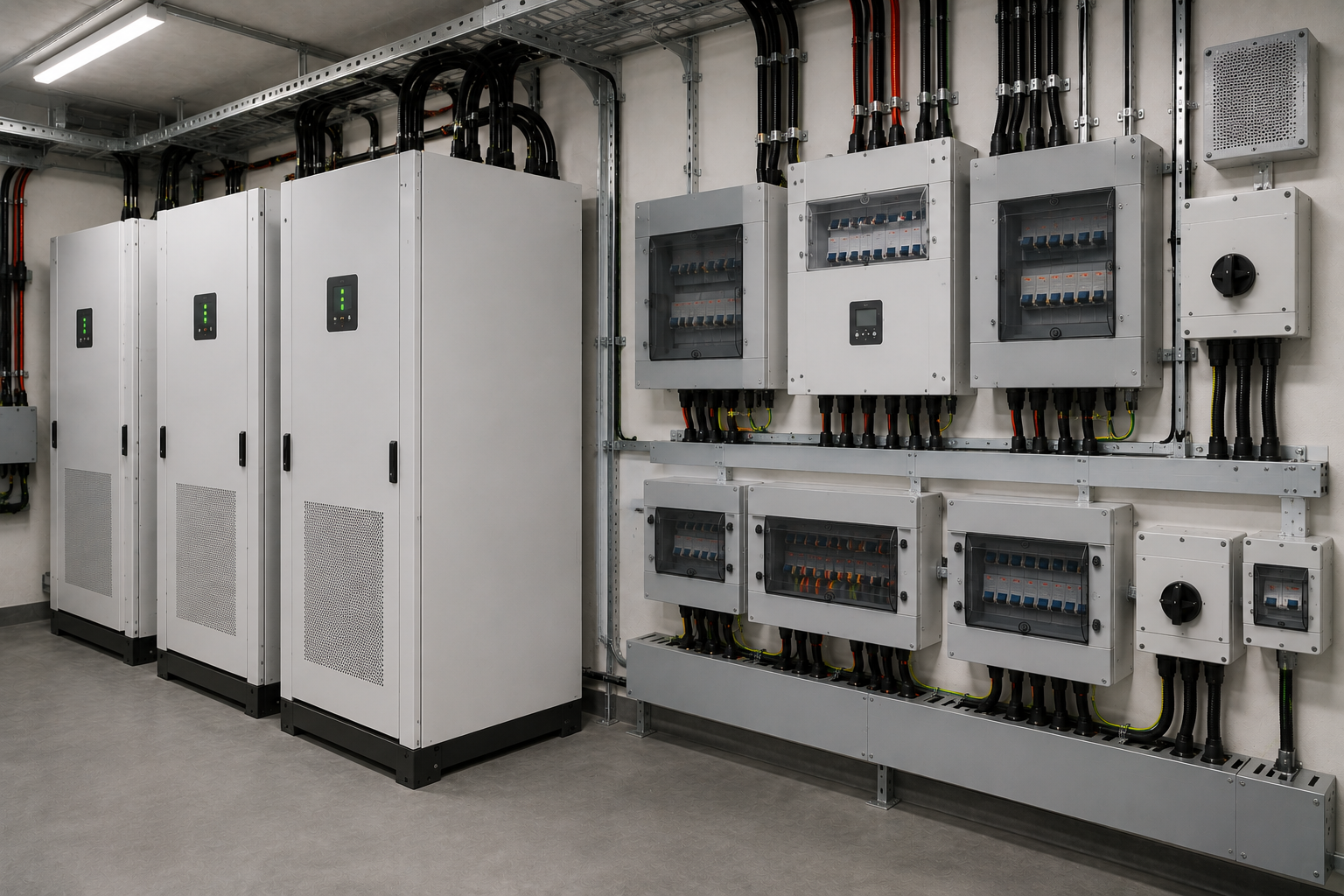
Bringing new equipment into an existing building electrically is where quality shows. We do the distribution work ourselves rather than subcontract it: DC and AC boards, isolation, surge protection, changeover, load separation, cable sizing and routing, earthing and labelling.

Every board we install is labelled so that someone who has never met us can work on it. That is not a courtesy — it is what keeps the system serviceable when we are not the ones on site.

  • DC and AC distribution boards, breakers, fuses and surge protective devices
  • Load separation — essential, off-peak and non-essential circuits kept apart
  • Changeover and transfer switching between public supply, generator and inverter
  • Rewiring and enabling works, quoted openly as their own line rather than buried
  • Earthing, bonding and lightning protection where the site calls for it
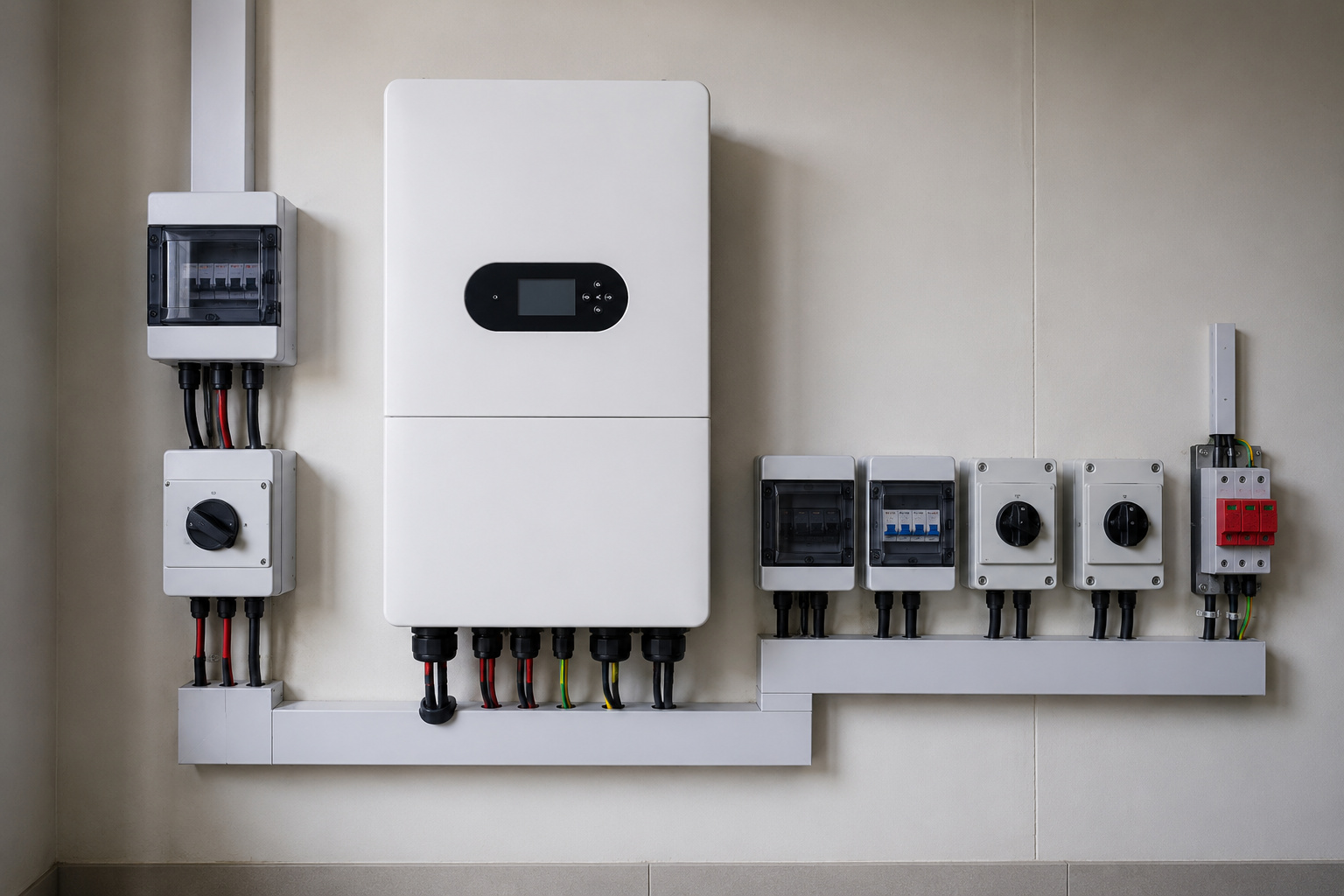
Hybrid inverter and solar panel board mounted above a doorway
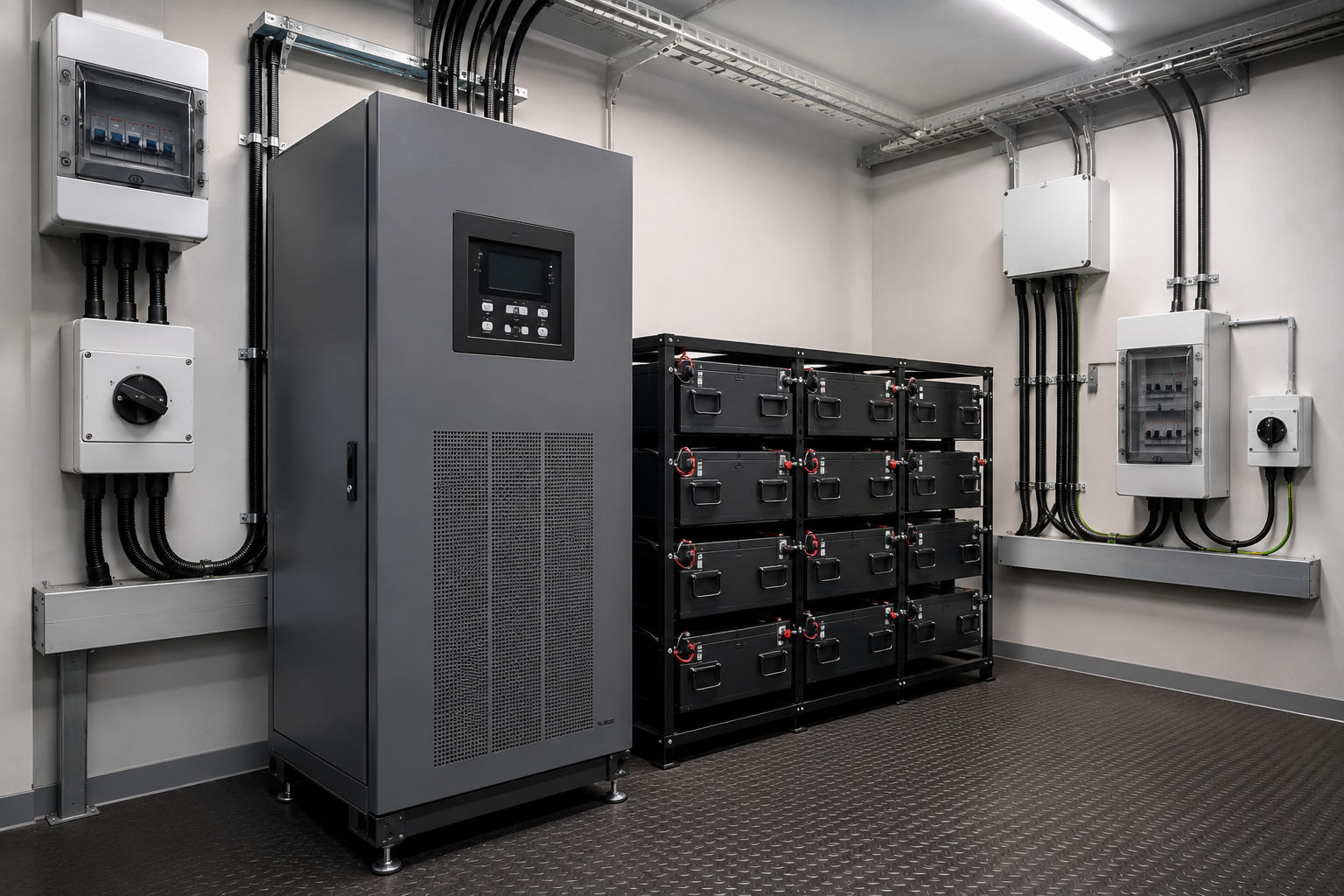
Inverter and battery installation in an equipment room with fire extinguishers mounted
04

Security systems and automation

Cameras and gates that stay up when the light goes.

Security systems fail most often for power reasons — a camera on a circuit that drops with the generator, a gate motor with no backed-up supply, a controller behind an unprotected outlet. Because we do the power and the distribution, we can put these systems on supply that actually holds.

  • CCTV — camera specification, siting, cabling, recording and remote viewing
  • Access control and intercom for gates, doors and lobbies
  • Automated gate installation, including matched units across several entrances
  • Backed-up supply and surge protection for every element of the system
05

Energy audit and site survey

Finding out what the building actually uses.

Almost every oversized system and every disappointing one traces back to a size chosen without measurement. This is the step we will not skip.

For homes and small premises

A visit, an appliance-by-appliance schedule, a look at the existing board and wiring, and a check of roof space and orientation. Usually an hour or two, and it is free.

  • What you want running, and for how many hours
  • Existing board condition and whether load separation is possible
  • Roof area, shading and mounting options
  • A recommended size, with a smaller and a larger option beside it

For buildings and businesses

A logged load profile over a working week, so the design is built on measurement rather than on nameplate ratings, which almost always overstate what a building draws.

  • Load logged and separated into working hours, evening, night and weekend
  • Distribution survey — how supply is arranged, spare capacity, rewiring needed
  • Plant space, ventilation, access and fire provision for equipment
  • Roof area, orientation and structural load-bearing assessment
  • Output: a measured load schedule, a confirmed bill of quantities and a firm price

On larger jobs we go on to install, the cost of a full audit is credited against the contract. If you decide not to proceed, the report is yours to keep and to use with any contractor you choose.

06

Supply of equipment

Buying the parts without the installation.

If you have your own electrician, or you are managing the job yourself, we will supply the equipment on its own: inverters, lithium and tubular batteries, panels, mounting rails and accessories, charge controllers, breakers, surge devices, MC4 connectors, DC and AC cable.

Sizing advice comes with it at no charge. We would rather talk you out of the wrong configuration before you buy it than be called to fix it afterwards.

  • Itemised quotation — you see every unit rate, not a lump sum
  • Delivery arranged within Lagos, Ogun and to other states
  • Manufacturer warranties registered in your name
  • Commissioning support available separately if your electrician wants it
Felicity SolarLVTopsunCworthBestcom SolarmacTubular & LiFePO₄ storageMono-crystalline PV
Inverter, boards and storage installed together
Solar installation on a secured compound
07

Solar street lighting and outdoor power

Light on the road, the compound and the perimeter — with nothing to switch on.

All-in-one and split-array solar street lights for estate roads, compounds, car parks, filling stations, school grounds and perimeter security. Each unit carries its own panel, battery and controller, so there is no cabling back to a board and nothing added to the building's load.

Sizing is done against dusk-to-dawn hours in the rainy season rather than the dry, which is the difference between lights that hold through the night in August and lights that fade by two in the morning. Poles, foundations and spacing are set out to the run, not guessed.

  • All-in-one integrated units and separate panel-and-pole configurations
  • Estate roads, compounds, car parks, perimeter and security lighting
  • Pole supply, foundations, spacing and lux planning for the run
  • Motion-sensing and dimming profiles where they extend the night
  • Replacement of failed units from other suppliers, and maintenance schedules
08

Solar water pumping

The tank is the battery.

A solar pumping system fills your overhead tank during the day and the tank holds the water for the night — which means most installations need no battery at all, and cost far less than people assume. It also takes the pump off the generator, which on many compounds is the single most annoying reason the set gets started.

We install submersible borehole pumps and surface pumps, with dedicated arrays, controllers, dry-run and level protection, and manual changeover to public supply where you want a fallback.

  • Submersible borehole and surface pump installations
  • Direct-drive systems with the tank as storage — no battery required
  • Hybrid configurations where night pumping or pressure is needed
  • Dry-run, level and surge protection, and float or probe control
  • Estate, farm, irrigation and institutional water supply
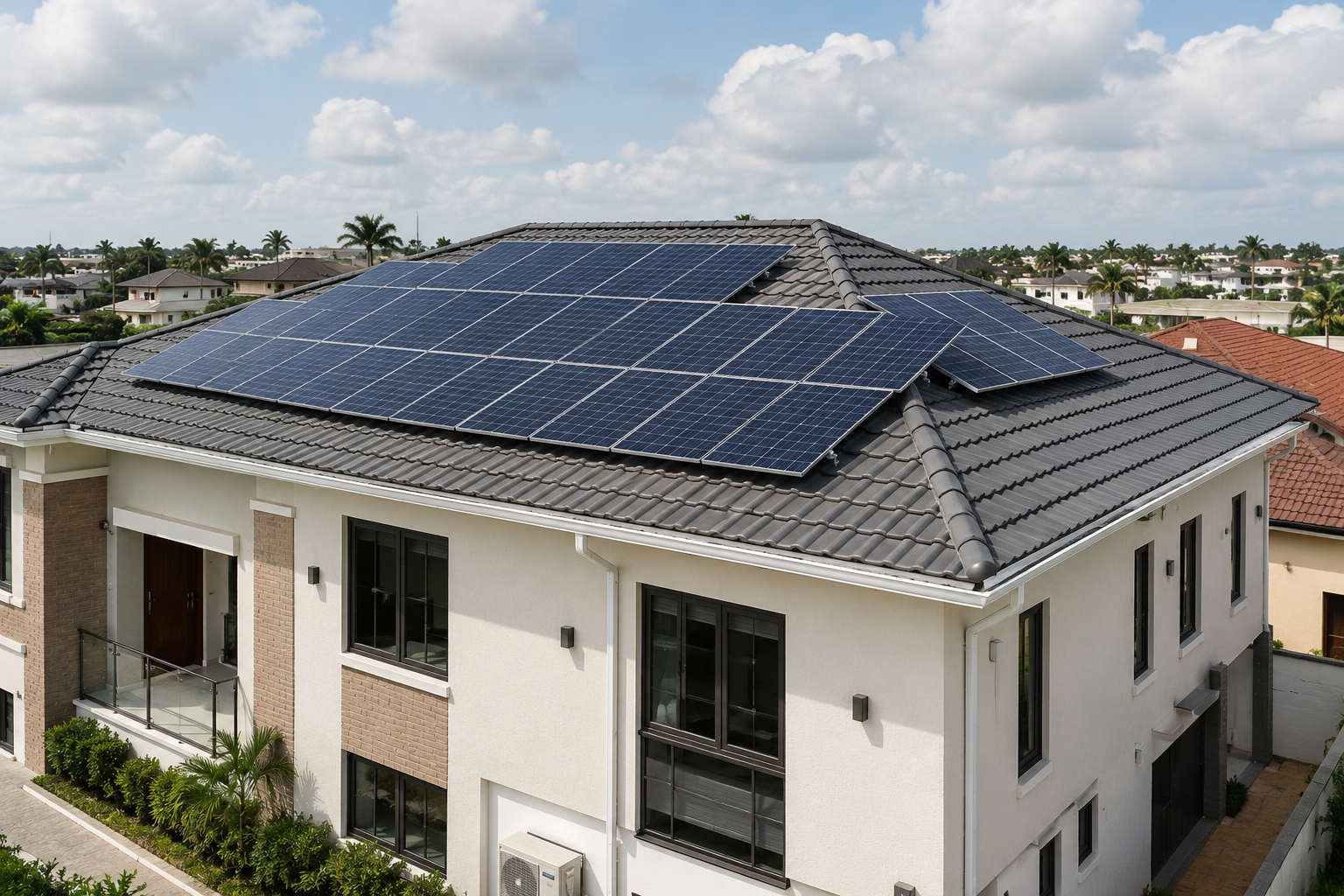
Rooftop solar array serving a residential property
09

Maintenance and monitoring

Scheduled servicing, array cleaning, torque and connection checks, battery health testing, firmware and settings review, and fault attendance. We maintain systems we did not install — including ones that were left in a poor state by whoever did.

10

Design and second opinions

Load flow and sizing calculations, bills of quantities, and independent review of a quotation you already hold. We will tell you what a stated capacity will and will not actually carry, and what has been left out of the price.

11

Payment structuring on large jobs

Where the capital is the obstacle rather than the case, we can arrange a facility against the installation and structure repayment monthly. Terms are set by the lender's own credit process, and the facility can be placed with a lender of your choosing.

Tell us what you need powered.

A site visit and a written quotation cost you nothing. You will get a real load assessment, a system sized to it, and a price with every item listed — not a lump sum.